Unlock the Buy Now Pay Later Experience in Salesforce with Chargent’s new PayPal Integration
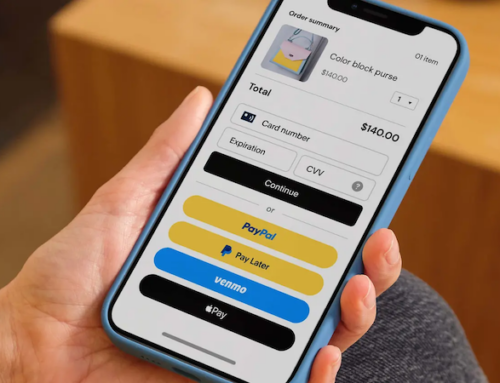
Chargent’s new PayPal integration for Salesforce doesn’t just add another “Pay with PayPal” button – it also opens the door to PayPal’s Pay Later experiences (including Pay in 4 and Pay Monthly). This widens your reach as a business with even more flexibility in terms of how your customers pay.
For businesses accepting payments in Salesforce, this matters because “Buy Now, Pay Later” (BNPL) has shifted from a nice-to-have to a mainstream expectation. In the Federal Reserve’s annual SHED survey (source, October 2024), 15% of U.S. adults reported using BNPL in the prior 12 months (up from 10% in 2021).
Below is a practical look at what PayPal Pay Later is, why it’s growing, and how offering it through Chargent can help your customers say “yes” more often – without adding operational complexity.
What is PayPal Pay Later?
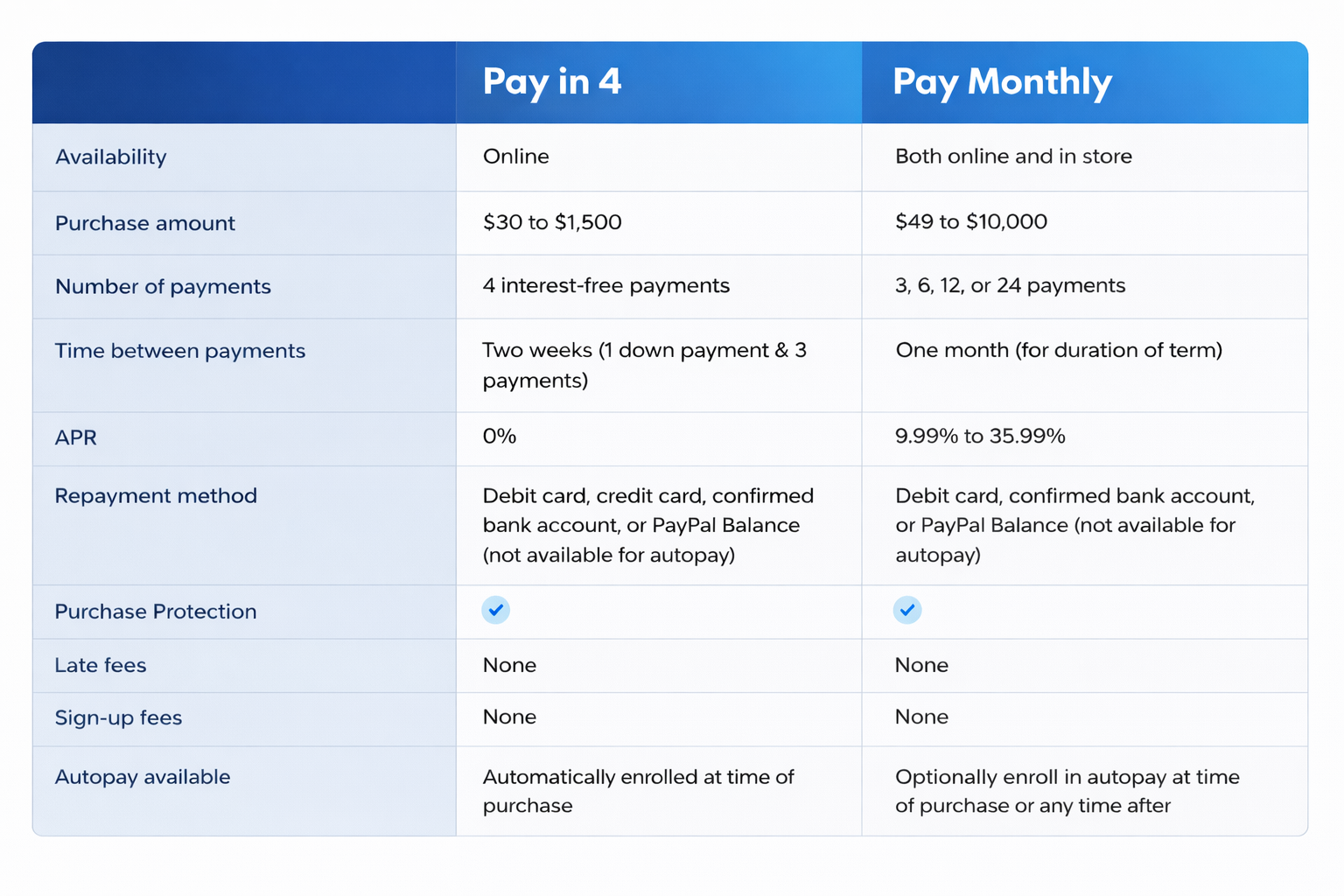
PayPal Pay Later is a suite of installment options surfaced at checkout. Two of the most common offers are:
- Pay in 4: An interest-free installment plan that splits a purchase into 4 payments, with the first due at checkout and the remaining payments due every 2 weeks. This option typically appears for eligible purchases between $30 and $1,500.
- Pay Monthly: A longer-term installment option. PayPal describes it as having a fixed interest rate (which varies based on credit), with no late fees or sign-up fees. Pay Monthly can support purchases from $49 to $10,000, with 3, 6, 12, or 24 payments.
From a merchant’s perspective, PayPal’s positioning is straightforward: customers get flexibility, and merchants get a smoother path to conversion.
Why BNPL matters right now
BNPL growth isn’t just hype – it’s tied to meaningful trends in checkout behavior.
- Checkout friction kills revenue. PayPal cites Baymard Institute data showing that 22% of shoppers abandon a purchase because checkout is “too long or complicated,” and 13% abandon because there “were not enough payment methods.”
- More payment choices can lift conversion. In the same PayPal resource, a Nielsen study commissioned by PayPal is cited: large enterprises offering PayPal can increase checkout conversion rates by 33% on average.
- It’s mainstream behavior. Again, the Federal Reserve reports 15% of people used BNPL in the prior 12 months.
The implication for Salesforce-based businesses: if you’re only offering cards and ACH, you may be forcing a portion of customers to delay, abandon, or call in to request alternate terms.
Purchases that are a great fit for Pay Later
Pay Later options tend to shine when a customer wants the product or service now, but prefers to spread out the cost. Here are common “high-fit” categories you’ll recognize across Chargent customer industries:
Higher-ticket physical goods
- Consumer electronics, appliances, fitness equipment
- Furniture and home office setups
- Specialty retail items with higher average order values
Commercial goods & services
- Trade services, including construction and large-scale maintenance projects
- Hi-ticket, commercial-grade machinery, HVAC systems, construction equipment
Professional services & programs
- Professional services retainers (where you take a deposit or initial installment)
- Training programs, certifications, and continuing education
- Medical, dental, or elective wellness services (where permitted and appropriate)
Travel and time-sensitive bookings
- Trips, lodging, guided experiences, and other purchases where timing matters more than “waiting for payday”
What businesses gain by offering PayPal’s Pay Later through Chargent
1) Higher conversion with less checkout hesitation
Customers who want flexibility don’t have to leave your checkout flow to “think about it.” If Pay Later is available, it’s presented in the context of a trusted PayPal experience.
2) Larger carts without renegotiating terms
Pay Later is often used to make a larger purchase feel manageable. When customers can see payments broken into installments, they’re less likely to downsize their order or abandon the cart.
3) A Salesforce-native record of the transaction
With Chargent, your PayPal transactions are recorded in Salesforce alongside the rest of your payment activity — supporting reporting, reconciliation, and automation in the same system your teams already use.
4) Less operational burden than “do-it-yourself” installment plans
PayPal emphasizes that merchants get paid in full once the transaction is captured, and that there’s no additional risk to the merchant if a customer misses a payment.
Refunds are also designed to be straightforward: PayPal states that merchants use the standard refund process, and PayPal provides the credit to the customer directly.
How this fits into Chargent’s PayPal integration
If you’re using the PayPal Complete Payments (PPCP) path in Chargent, Pay Later is part of the value proposition PayPal brings to the table. It requires minimal setup and expands Chargent’s already vast payment method options within Salesforce.
That means you can modernize your checkout options without bolting on a separate BNPL provider, separate reporting stack, or separate reconciliation process.
Bottom line
Customers want choice. BNPL is now a common behavior, and PayPal’s Pay Later is a recognizable way to offer installments through a payment brand people already trust. When you bring PayPal’s Pay Later into Salesforce via Chargent, you’re not just adding a feature – you’re reducing checkout friction, expanding affordability, and keeping your revenue data unified inside Salesforce.
Ready to expand payment options for your customers? Reach out to us today to get started.