How Contactless Payments Work: What Happens When You Tap Your Card
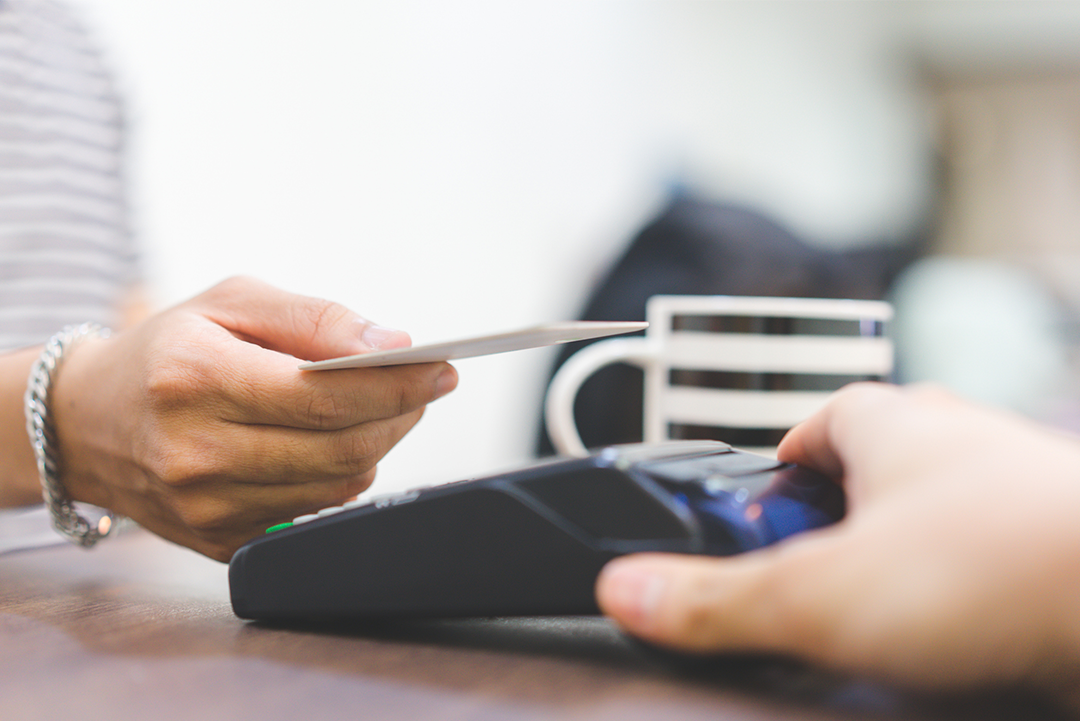
You tap your phone at the coffee shop, grab your drink, and walk away in seconds. More than half of Americans now use this seamless checkout method, yet most people have no idea what happens in those brief seconds when you tap your card. Tap to pay uses advanced NFC technology to create encrypted connections that make contactless payments faster and safer.
The Technology Behind the Tap
Contactless payments use Near-Field Communication (NFC) technologies to transfer payment information between your card or phone and the checkout terminal. This digital technology uses short-range radio waves to create a secure connection when you hold your payment device within about an inch and a half from the reader. The radio signal works like two people whispering to each other — they need to be very close to communicate, but once they are, they can talk privately.
Your contactless cards have a tiny antenna as well as a microchip that stores your payment information. When you tap your card near a payment terminal, the terminal’s NFC reader sends out radio signals that power up your card’s chip and antenna. The two devices then exchange encrypted payment data in milliseconds, and your transaction is processed.
All of this works thanks to a few important components:
- Embedded antenna and microchip: These sit inside your contactless cards or smartphone and store your payment information securely.
- NFC payment terminal: The reader at checkout counters that communicates with your payment device using radio waves.
- Secure data encryption: Your payment information gets scrambled before it’s transmitted to prevent fraud.
- Power transfer: The terminal powers your card’s chip through radio waves, so no battery is needed.
NFC might sound similar to radio-frequency identification (RFID) technology, which uses radio waves to identify and track objects from a distance. The difference between NFC and RFID payments is that NFC requires much closer proximity and includes banking-grade security that RFID lacks.
A Step-by-Step Breakdown of the Transaction
Contactless payments seem to happen instantaneously, but there’s a lot going on behind the scenes. Tap-and-go technology is nothing short of a tech marvel, as many security checks and data exchanges happen faster than you can blink.
These are the six steps involved in a contactless card transaction:
Step 1: Purchase Amount Entry
The cashier enters the total purchase amount into the payment system. This activates the terminal’s NFC reader and prepares it to communicate with your card or contactless payment device.
Step 2: Signal Activation
The card reader sends out a low-power radio frequency signal that detects nearby contactless cards or devices. This wakes up your card’s dormant chip and antenna so you can pay. Just enough power flows to the embedded technology to bring it to life for the data exchange.
Step 3: Unique Code Generation
Your card’s chip springs into action, generating a unique, one-time encrypted code through tokenization. Real account numbers never travel during this process. Instead, this temporary code acts as a stand-in to protect your actual payment details from being intercepted.
Step 4: Secure Data Transmission
The encrypted code and necessary account information travel from your card to the payment network. Visa, Mastercard, AMEX, Discover, and other networks receive this heavily protected data through several encryption layers. It’s almost impossible for cybercriminals to decode your financial information during this very short window.
Step 5: Verification Process
Payment networks and your bank’s system verify the transaction with sophisticated fraud detection algorithms. They check that you have enough funds and analyze your location and timing to confirm that the transaction looks legitimate before approving it.
Step 6: Transaction Completion
Your bank approves the verified transaction and sends confirmation back through the network to the terminal. That’s when the green lights flash and the machine makes a happy beep. These signs confirm that your tap-and-go payment was processed successfully. All this goes on behind the scenes in seconds for tap-to-pay to work across the country.
The Security Advantage of Tapping
Contactless credit card payments are much safer than traditional magnetic stripe cards. Consumer confidence already shows this, as 38% of survey participants found NFC contactless payments to be the most secure payment option available, according to the 2024 Contactless Usage and Adoption Study.
All of this is thanks to tokenization, which generates a unique encrypted code that expires immediately after use. Your real credit card number never leaves your card during the transaction. Instead, the chip creates a one-time digital token that represents your account. This token becomes worthless once the transaction is complete, which makes it impossible for criminals to use stolen payment data.
The close-proximity requirement adds another layer of security that magnetic stripe cards could never match. You must hold your contactless credit card within an inch and a half of the payment terminal for it to work. That’s why tap to pay is safer than traditional payment methods, as criminals cannot steal your card information from a distance using hidden readers.
Major payment networks back contactless payments with fraud protection. Visa’s Zero Liability Policy covers unauthorized contactless transactions, so you never pay for fraudulent charges. Card issuers are willing to provide this added layer of protection thanks to their confidence in the safety of contactless payments.
The Convenience and Future of Tapping
Contactless payments make checking out much easier than paying with cash or waiting for the chip to read. Transactions that once took minutes now take seconds, and all you need is a chipped debit or credit card, or an NFC-enabled phone or wearable. There’s also new technology constantly adding mobile wallets, so you always carry your digital cards with you. These are the benefits that make this technology so popular:
- Lightning-fast transactions: Contactless payments process in under two seconds.
- Mobile wallet integration: Apple Pay, Google Pay, and similar services turn your phone into a secure payment device.
- Smartphone convenience: Tapping your smartphone is much more convenient than digging in your wallet for your card.
- Wearable payment options: Smartwatches and fitness trackers now integrate payment capabilities, so you can even leave your phone at home.
- Universal merchant adoption: Over 90% of US retailers now take Apple Pay and other contactless payments.
Conclusion
Contactless payments are a secure and convenient evolution of in-person payments. The technology combines NFC security and ultra-fast processing for an improved payment experience. Chargent contactless payments and Chargent tap-to-pay solutions help businesses maximize this technology.
Download our comprehensive Salesforce Payments Checklist to see how you can lower processing fees and improve customer experiences while delivering ROI for your business.