How Chargent Reduces Your PCI Scope Within Salesforce
Handling credit card information securely is no longer optional in our increasingly connected world. Whether you’re a startup selling digital goods or an enterprise managing complex subscription billing, your customers expect their payment details to be protected. For every business that accepts, processes, stores, or transmits cardholder data, there’s one acronym you need to know: PCI, which stands for Payment Card Industry.
So, what is PCI compliance exactly, and why should you care? More importantly, how can platforms like Chargent for Salesforce help reduce your PCI scope and ease the compliance burden?
This guide unpacks everything from PCI compliance requirements and tokenization to how Chargent tokenization helps keep your business secure. If you would like a quick primer on PCI Compliance, check out our video and post here.
What is PCI Compliance?
The Foundation of Secure Payments
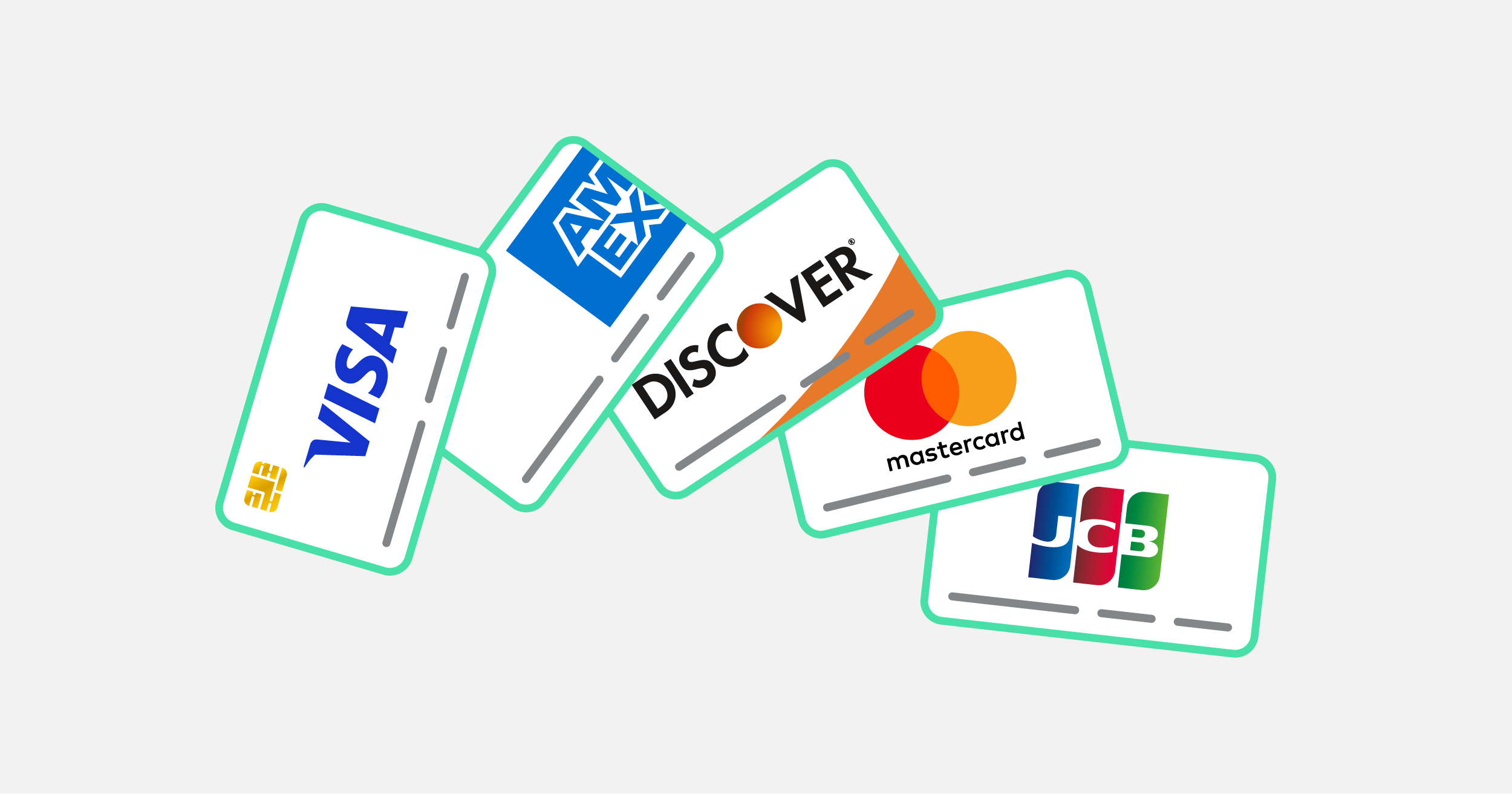
PCI compliance refers to adherence to the Payment Card Industry Data Security Standard (PCI DSS). These standards were developed by major credit card companies – Visa, MasterCard, American Express, Discover, and JCB – to ensure that businesses securely handle credit card information.
So, is PCI compliance required by law? Technically, no – it’s not legislated by governments. But if your business processes credit cards, you’re contractually required by payment processors and banks to comply. Failure to meet PCI standards can lead to hefty fines, increased transaction fees, and even the loss of the ability to accept card payments.
PCI Compliance Meaning: The 12 Core Requirements
The PCI DSS outlines 12 essential controls grouped into six major goals:
- Build and Maintain a Secure Network and Systems
- Use firewalls
- Avoid vendor-supplied defaults
- Protect Cardholder Data
- Encrypt cardholder data at rest and in transit
- Maintain a Vulnerability Management Program
- Keep antivirus updated
- Develop secure systems and applications
- Implement Strong Access Control Measures
- Limit access on a need-to-know basis
- Assign unique IDs
- Restrict physical access
- Regularly Monitor and Test Networks
- Track access to resources and cardholder data
- Test systems regularly
- Maintain an Information Security Policy
- Establish formal security policies for personnel
These controls help businesses build secure environments, avoid breaches, and pass their PCI compliance audit.
Who Has to Validate PCI DSS Compliance?
All entities that handle credit card transactions must validate PCI DSS compliance. This includes merchants, service providers, and even third-party payment platforms.
Validation levels range from Level 1 (more than 6 million transactions annually, requiring a full PCI compliance audit by a Qualified Security Assessor) to Level 4 (fewer than 20,000 e-commerce transactions, requiring a self-assessment questionnaire).
PCI Compliance Checklist
Here’s a simplified PCI compliance checklist:
- Do not store sensitive card data in your CRM or business systems
- Use tokenization or encryption for all payment data
- Limit system access to only necessary personnel
- Maintain antivirus and patch systems regularly
- Conduct vulnerability scans and penetration tests
- Implement audit trails and logging
- Train staff on payment security policies
- Complete annual self-assessment (or full audit for larger merchants)
Chargent and PCI Compliance: Reducing Your Scope
Let’s be clear: Chargent cannot make your business PCI compliant. PCI DSS applies to your entire business ecosystem, including your infrastructure, policies, and employee behaviors.
However, Chargent significantly reduces your PCI compliance scope, making it easier and more affordable to meet your requirements.
Here’s how:
Chargent Does Not Store Sensitive Card Data
Instead of storing cardholder information in Salesforce, Chargent integrates with your preferred payment gateway and stores non-sensitive tokens in Salesforce using tokenization.
What Is Tokenization?
The Key to Simplified PCI Compliance
Tokenization is the process of replacing sensitive data, such as a credit card number, with a non-sensitive token that has no exploitable value. This random token is stored in Salesforce and can be used for future transactions, but it can’t be reverse-engineered to reveal the original card number.
How Chargent Tokenization Works
- Data Capture: Customer enters payment details in a secure payment form (often hosted by the gateway).
- Immediate Tokenization: The gateway converts the card number into a token before it reaches Salesforce.
- Token Stored in Salesforce: Only this non-sensitive token is stored in your CRM.
- Transactions via Token: For recurring billing or one-click checkout, Chargent uses this token to process payments without re-handling the card data.
This process ensures Chargent tokenization is compliant with best practices for data protection.
How Tokenization Impacts PCI Compliance
Using tokenization with Chargent drastically reduces the systems and environments that are “in scope” for PCI DSS compliance:
- Minimized Data Exposure: No cardholder data is stored in Salesforce or on your network.
- Simplified PCI Audits: Auditors focus on fewer systems and controls.
- Reduced Risk of Breaches: Tokens can’t be decrypted or reused if stolen.
- Faster Time to Compliance: Less technical complexity means quicker deployment.
By using Chargent, PCI compliance security becomes more manageable and achievable, even for businesses with limited IT resources.
Is Chargent PCI Compliant?
Yes – Chargent is PCI compliant. While the platform does not handle raw cardholder data, it is designed to work with PCI-compliant gateways and employs best practices for secure tokenization. Chargent is a native Salesforce application and never stores or transmits full credit card data.
So, Chargent helps reduce PCI compliance burden, but full compliance depends on your business’s practices beyond Salesforce.
Partnering for Payment Security
Understanding and implementing PCI DSS can feel daunting, but it doesn’t have to be. Solutions like Chargent for Salesforce simplify compliance through tokenization, tight integration with compliant gateways, and reduced PCI scope.
Chargent doesn’t store sensitive payment data – and that’s a good thing. By keeping cardholder information out of your CRM and relying on tokenization, you avoid unnecessary compliance exposure and can focus on serving your customers securely.
Ready to simplify your PCI journey? Download our free PCI guide and learn how to reduce your risk and meet your PCI obligations with less hassle.
FAQ: PCI Compliance and Chargent
Q: What is PCI compliance?
A: PCI compliance refers to meeting the data security standards set by the Payment Card Industry for protecting credit card information.
Q: Is PCI compliance required by law?
A: It’s not legally mandated, but compliance is required by credit card networks and acquiring banks.
Q: Does Chargent make me PCI compliant?
A: No. Chargent helps reduce your PCI scope, but full compliance involves your entire business process, systems, and policies.
Q: What is tokenization?
A: Tokenization replaces sensitive data with a non-sensitive token that can’t be reverse-engineered, reducing the risk of breaches.
Q: How does Chargent use tokenization?
A: Chargent stores only non-sensitive tokens in Salesforce, with actual card data handled by the payment gateway.
Q: Who has to validate PCI compliance?
A: Any business that processes credit card payments must validate PCI DSS compliance, based on their transaction volume.
Q: Can Chargent help during a PCI audit?
A: While Chargent itself is PCI compliant, your business is responsible for audits. Chargent can reduce your audit scope significantly by limiting sensitive data exposure.