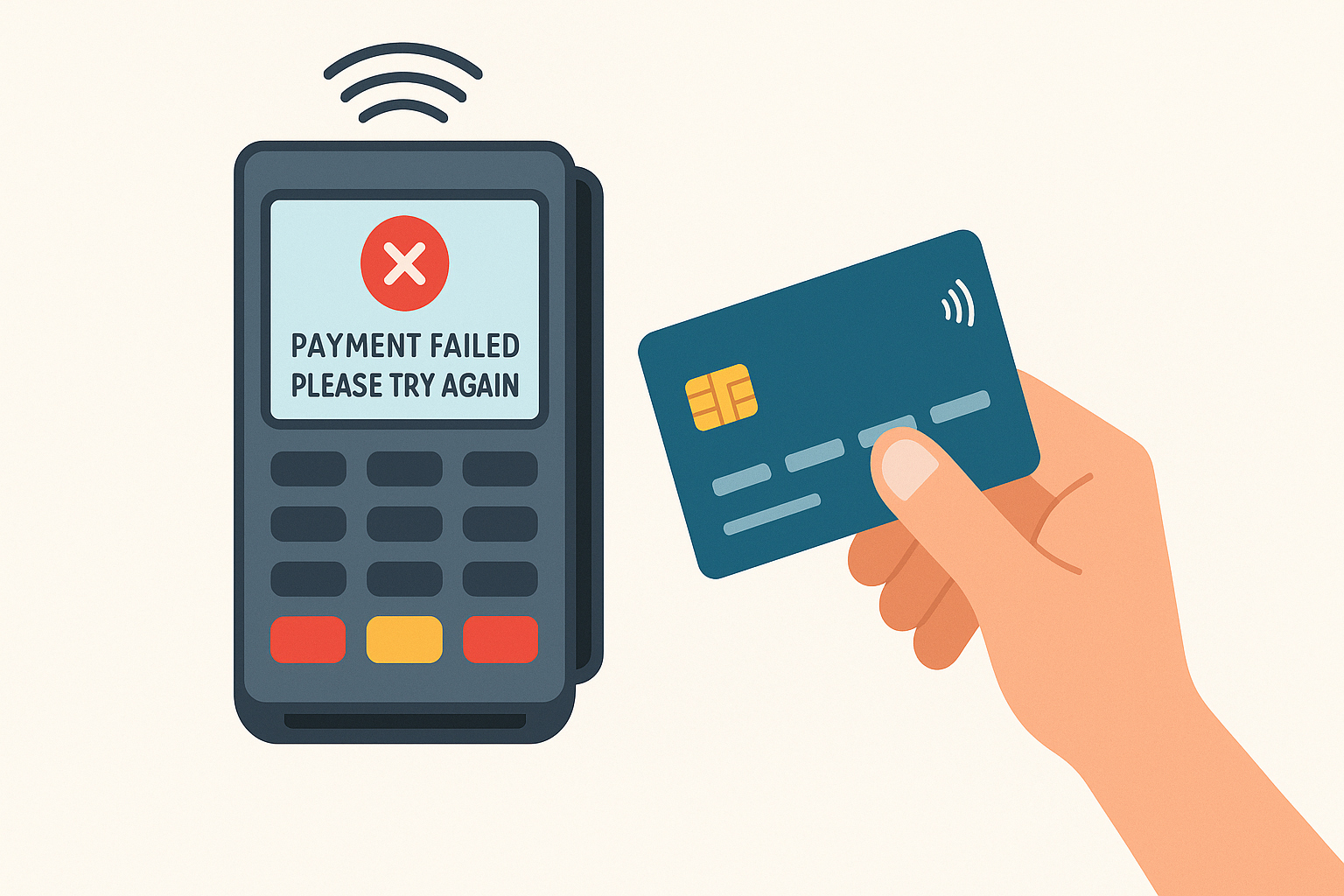
When a customer’s payment fails, the ripple effects extend far beyond a single declined transaction. Businesses lose more than just revenue – they risk damaging hard-earned trust, increasing customer churn, and incurring extra operational costs in the process. A failed payment can mean a subscription is canceled, an invoice goes unpaid, or an eager buyer abandons their purchase entirely. Multiply this across dozens, hundreds, or even thousands of transactions each month, and the impact on your bottom line is undeniable.
For Salesforce users managing recurring billing, invoicing, or e-commerce, payment failures can feel like a constant battle. Finance teams are left chasing down overdue balances, admins are stuck troubleshooting errors, and customers are frustrated by interruptions they often don’t understand. The truth is, while many businesses try to patch over declines with generic retries or rigid dunning messages, these one-size-fits-all approaches rarely address the underlying problem.
So the real question is: what actually causes a customer’s payment to fail – and why do some of them keep failing even after multiple attempts? More importantly, what can your business do to not only prevent these failures but also turn them into opportunities to improve customer experience and protect recurring revenue?
Process-Related Causes of Payment Failures
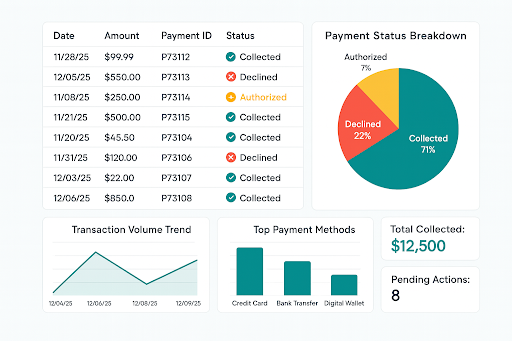
If you’re taking electronic payments, process-related declines are a fact of life. And they fall into a couple of categories: soft declines and hard declines. A soft decline is a temporary authorization failure – often caused by issues like insufficient funds, spending limits, or a processor request for additional verification – and the transaction may succeed if retried. A hard decline indicates a permanent problem, such as an invalid card number or a closed account, and the transaction will not go through unless the customer uses a different payment method or updates their details.
Within each of those major categories, you’ll find different reasons for each decline. Here’s a detailed breakdown of the most common technical culprits:
Expired Cards
One of the leading causes of recurring payment failure is expired credit or debit cards. Subscription businesses feel this most acutely, since customers often don’t realize their card on file has expired until a transaction is declined.
Insufficient Funds
Customers may temporarily lack funds, or they may habitually run into balance issues near the end of each billing cycle. This is especially common with debit cards tied to checking accounts.
Incorrect Card Details
A simple typo during checkout or outdated billing information can stop a payment in its tracks. These errors are frustratingly preventable, yet they remain a leading cause of failed one-time and recurring charges.
Fraud Detection Declines
Issuing banks, payment gateways, and payment processors often block transactions flagged as suspicious – whether due to unusual geographic activity, large purchase amounts, or automated fraud filters. While these rules protect customers, they can inadvertently reject legitimate transactions.
Network or Processor Issues
Occasionally, the issue is neither the customer’s nor the business’s fault. Outages, gateway downtime, or errors at the processor level can interrupt the flow of transactions and lead to temporary declines.
Customer-Related Causes of Payment Failures
While technical issues account for many declines, customer behavior also plays a significant role. Understanding these factors helps businesses design better communication and recovery strategies.
Forgotten Updates
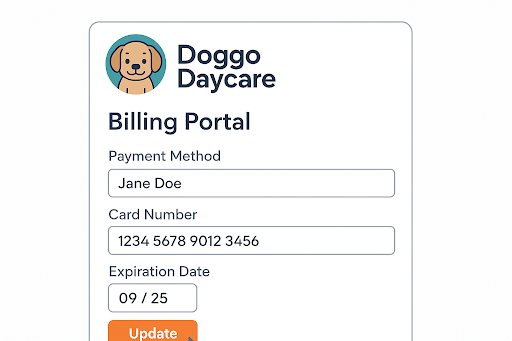
Customers rarely remember to proactively update billing information after replacing a card or moving banks. Without prompts or automated updates, expired or invalid details will continue to cause declines.
Credit Limits Exceeded
Even when an account is in good standing, customers may max out credit lines – particularly during holidays or peak spending periods.
Suspicion or Hesitation
If a customer doesn’t recognize the business name on their statement, they may dispute or block the transaction. This often happens when the descriptor is unclear or differs from the brand they engage with online.
Communication Gaps
Missed payment reminders, poorly timed dunning messages, or unclear instructions can all lead to unresolved declines. The customer simply doesn’t know their payment failed, or they don’t understand how to fix it.
The Psychology of Failed Payments
Beyond the mechanics of declines, there’s a psychological layer every Salesforce admin or finance leader should consider.
Failed payments can create embarrassment, frustration, or even shame for customers – particularly when they relate to insufficient funds. How your business communicates during this sensitive moment has a direct impact on recovery rates.
- Negative phrasing example:
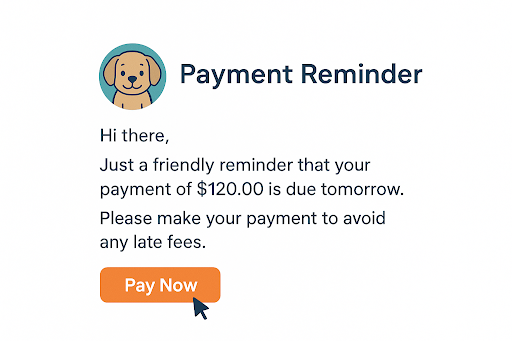
“Your payment was declined. Please fix your payment method immediately to avoid account suspension.”
This harsh tone can alienate customers and increase churn risk. - Positive phrasing example:
“Looks like your payment didn’t go through – no worries, this happens sometimes. You can update your details here to keep your subscription active.”
This friendly, solution-oriented approach preserves trust while prompting action.
The key takeaway: tone matters as much as timing. When businesses treat payment failures as a collaborative issue rather than a customer mistake, recovery rates rise.
Best Practices to Reduce Payment Failures
Fortunately, businesses using Salesforce can leverage both technology and strategy to minimize declines and recover revenue more effectively.
Automated Card Updates
Services like Visa Account Updater and Mastercard Automatic Billing Updater proactively refresh card details when customers receive new cards. Integrating these services with Salesforce payment systems ensures fewer declines from expired or replaced cards.
Smart Retry Logic
Instead of retrying the same transaction at the same time each day, advanced payment processors use intelligent retries – testing at different times or days when funds are more likely to be available.
Clear, Friendly Communication
Personalized and empathetic payment failure notifications, delivered via email, SMS, or Salesforce-triggered alerts, help guide customers toward resolution without damaging the relationship.
Multiple Payment Methods
Offering options beyond credit cards – such as ACH, PayPal, or digital wallets – reduces reliance on a single funding source and gives customers more flexibility.
Salesforce Integration for Alerts and Recovery
With tools like Chargent Payment Processing for Salesforce, businesses can monitor declines in real time, trigger automated dunning workflows, and empower staff with proactive alerts using Automated Collections. This seamless integration ensures payment issues are addressed quickly, without manual intervention.
Turning Failed Payments into Opportunities
Payment failures are an unavoidable reality for businesses managing subscriptions, invoices, and online commerce. They happen for both process-related reasons (expired cards, bank declines, outages) and customer-related reasons (forgotten updates, suspicion, or communication gaps).
The businesses that succeed are those that don’t treat all declines the same. Instead, they diagnose the root cause, apply smart recovery strategies, and use Salesforce-integrated tools to automate the process.
By viewing failed payments not just as lost revenue but as opportunities to engage customers with empathy and clarity, organizations can recover income, strengthen trust, and improve retention.
If your business runs on Salesforce and you’re looking to reduce declines while improving customer experience, explore how Chargent can help you streamline payment processing, automate collections, and keep your revenue flowing.
FAQ: Preventing Payment Failures in Salesforce
- What are the most common process-related causes of payment failures?
Expired cards, insufficient funds, incorrect card details, bank declines, and occasional network or processor outages.
- How do expired or replaced cards affect recurring payments?
When customers don’t update new card details, recurring charges are declined until the account is corrected.
- Why do banks sometimes decline legitimate transactions?
Fraud filters may flag unusual activity, high purchase amounts, or location mismatches, even when the payment is valid.
- What customer-related factors contribute to payment failures?
Forgetting to update billing info, exceeding credit limits, unclear payment descriptors, and missed or confusing communication.
- How do failed payments impact customer trust and retention?
They create frustration or embarrassment, and poorly worded notifications can increase churn risk.
- What’s the best way to communicate with customers about failed payments?
Use friendly, empathetic, and solution-oriented messaging rather than harsh or urgent phrasing.
- How can businesses reduce failures caused by expired cards?
Enable automated card updates through services like Visa Account Updater and Mastercard Automatic Billing Updater.
- What strategies help recover revenue from insufficient funds declines?
Implement smart retry logic – reattempting charges at different times or days when funds are more likely to be available.
- How can Salesforce tools like Chargent help prevent revenue loss?
Chargent monitors declines in real time, triggers automated dunning workflows, and provides staff with alerts, reducing manual intervention and speeding recovery with Automated Collections.